
 0086-13338774804


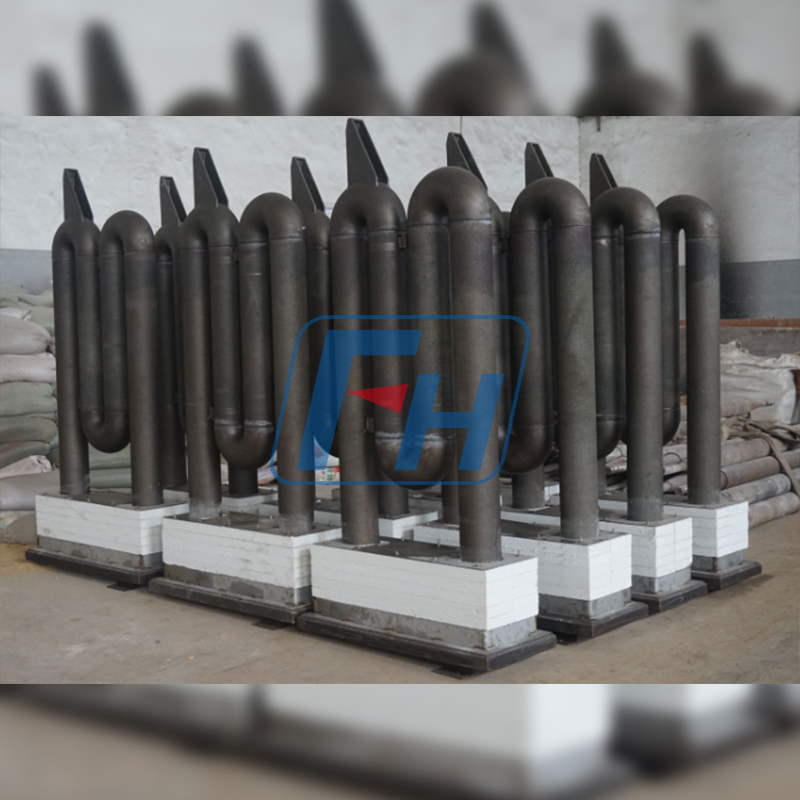
Stralingsbuizen worden in veel soorten ovens gebruikt, van carboneerovens, continuovens tot industriële ovens.
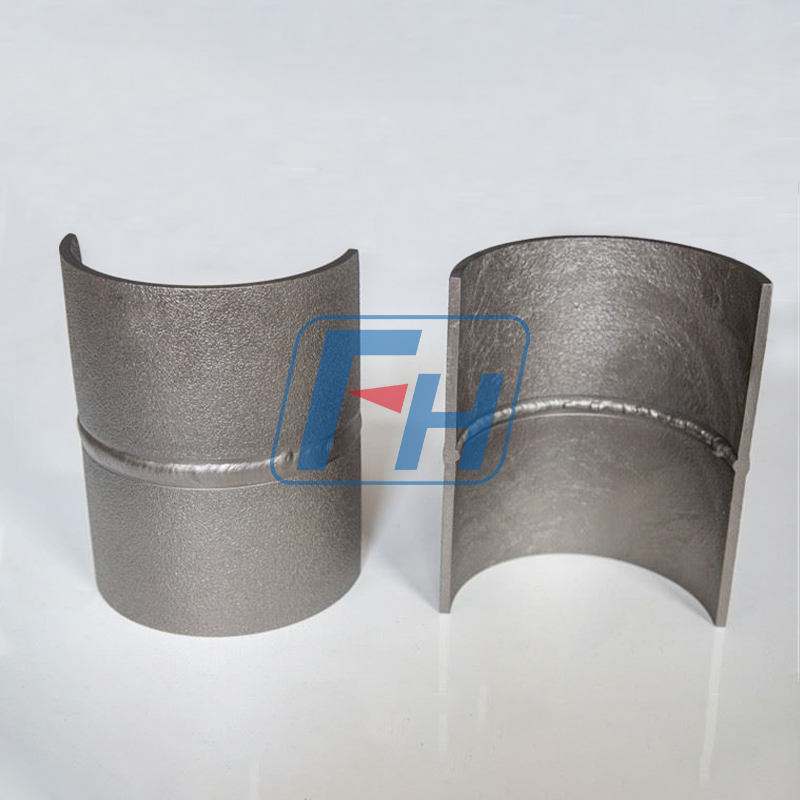
Als leider in de productie van centrifugaalgietstukken in China kunnen we de stralingsbuizen van ovens zo dun produceren als 4,76 mm zonder enige lekkage.
En wij vervaardigen centrifugaalgietbuizen met diameters van 50 mm tot 1000 mm en lengtes tot 5,5 meter.
FH is er trots op een vertrouwde wereldleider te zijn op het gebied van centrifugaalgiettechnologie. Onze missie is het leveren van hoogwaardige, duurzame en efficiënte stralingsbuizen die warmtebehandelings- en industriële ovens over de hele wereld aandrijven.
**Wat onderscheidt ons?**
**Expertise op het gebied van centrifugaal gieten**: Ons geavanceerde productieproces garandeert een uniforme wanddikte met een diktetolerantie binnen 0,2 mm, superieure mechanische eigenschappen en uitzonderlijke weerstand tegen thermische spanning.
**Aangepaste oplossingen**: We passen onze stralingsbuizen aan, van wanddikte tot materiaalkeuze, om te voldoen aan de unieke behoeften van verschillende oventoepassingen.
**Inzet voor kwaliteit**: Elk product ondergaat een waterdruktest voordat het wordt verzonden. Variaties van NDT kunnen worden uitgevoerd volgens uw vereisten
Als u zich bezighoudt met warmtebehandelingsovens en industriële ovens, of op zoek bent naar betrouwbare stralingsbuisoplossingen, horen wij graag van u! Laten we bespreken hoe we uw activiteiten kunnen ondersteunen met onze geavanceerde producten.

Merk: FH® Certificering: ISO9001, ISO14001 Materiaal: ...
Details bekijken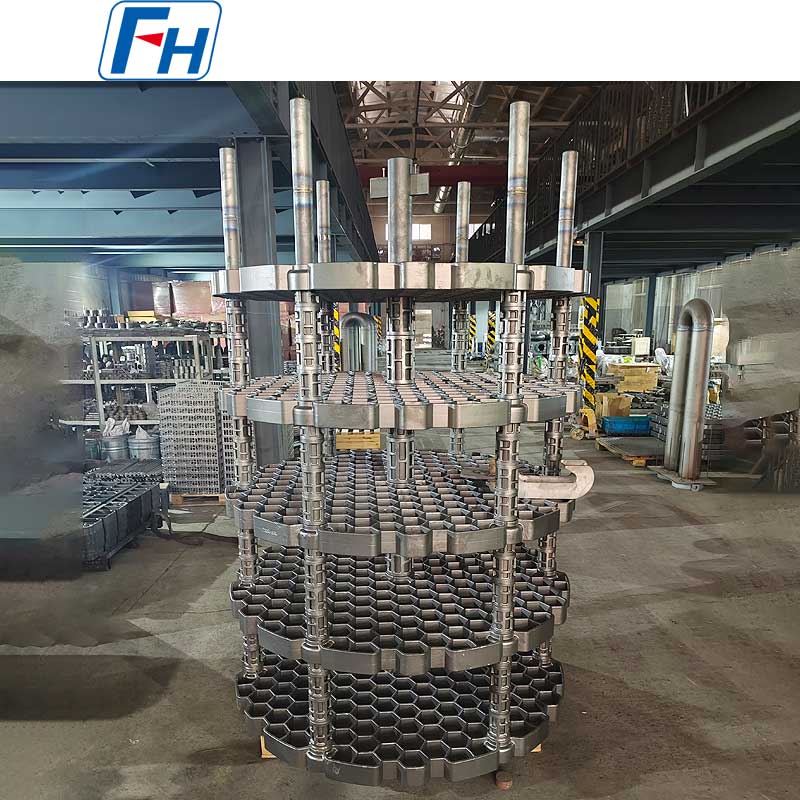
Merk: FH® Certificering: ISO9001, ISO14001 Materiaal: ...
Details bekijken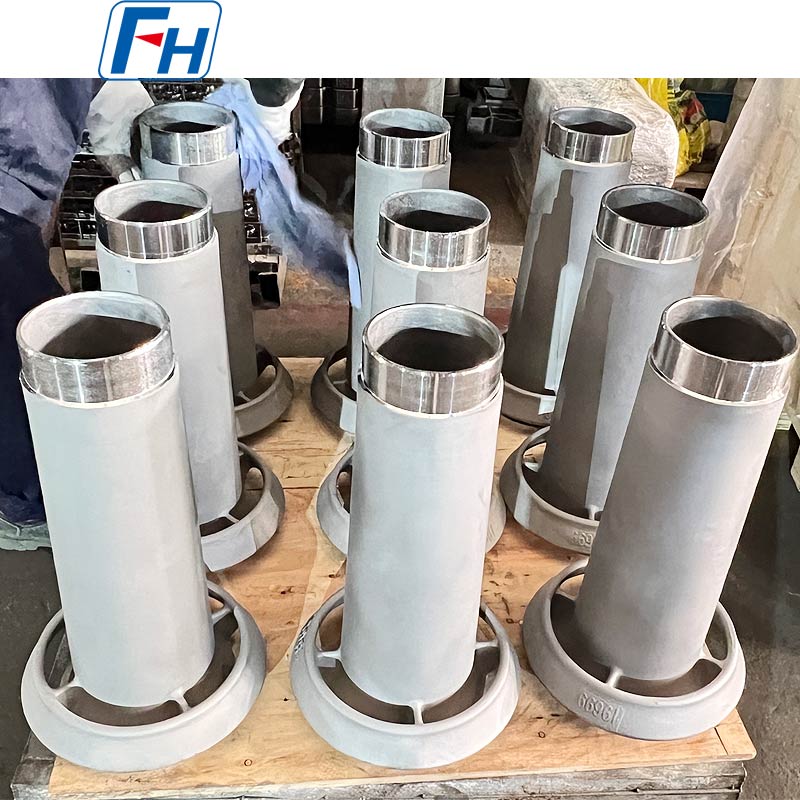
Merk: FH® Certificering: ISO9001, ISO14001 Materiaal: ...
Details bekijken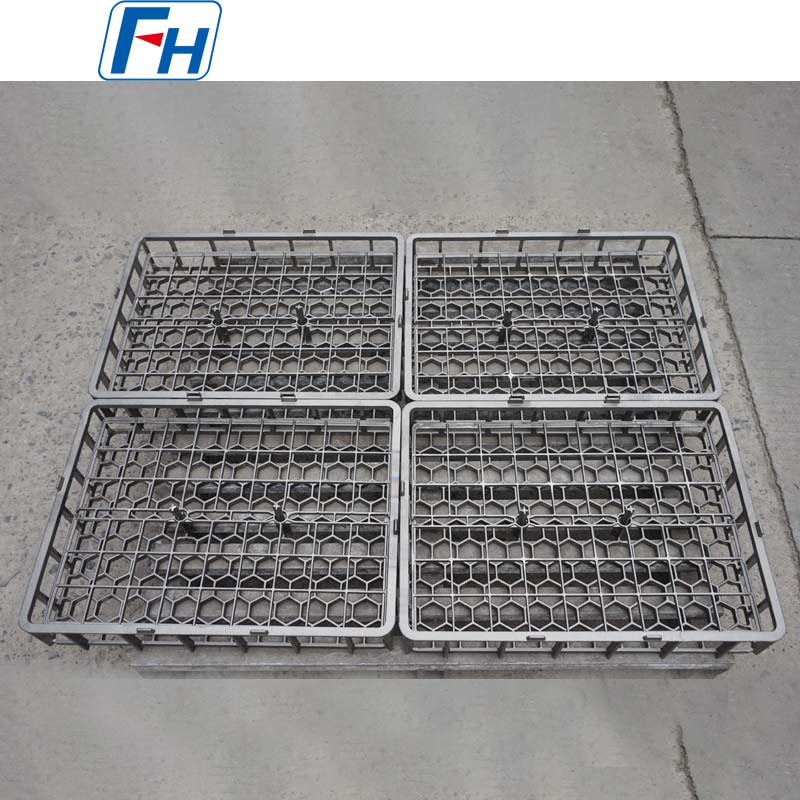
Merk: FH® Certificering: ISO9001, ISO14001 Materiaal: ...
Details bekijken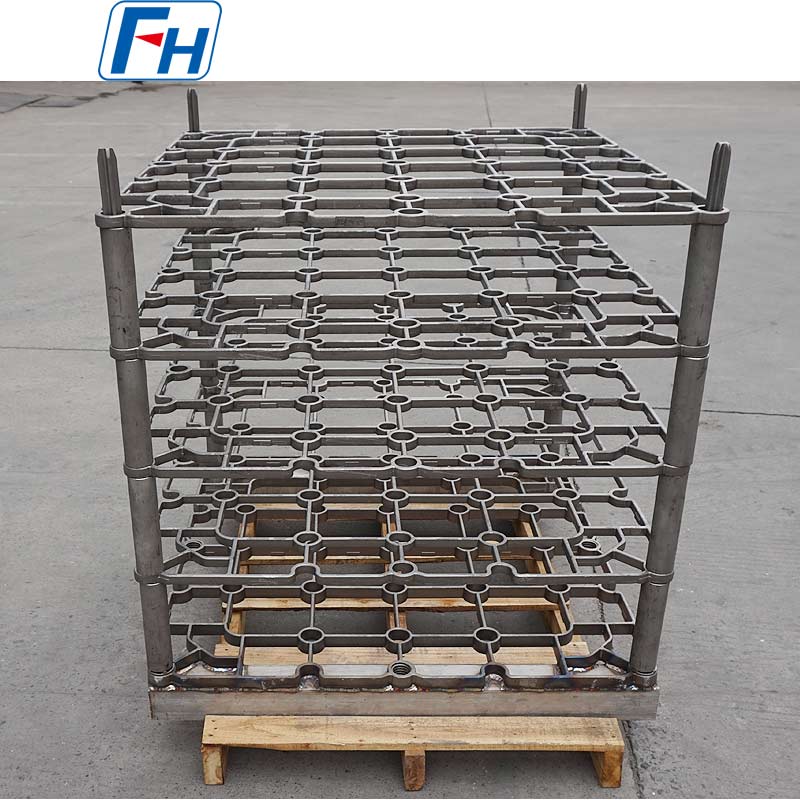
Merk: FH® Certificering: ISO9001, ISO14001 Materiaal: ...
Details bekijken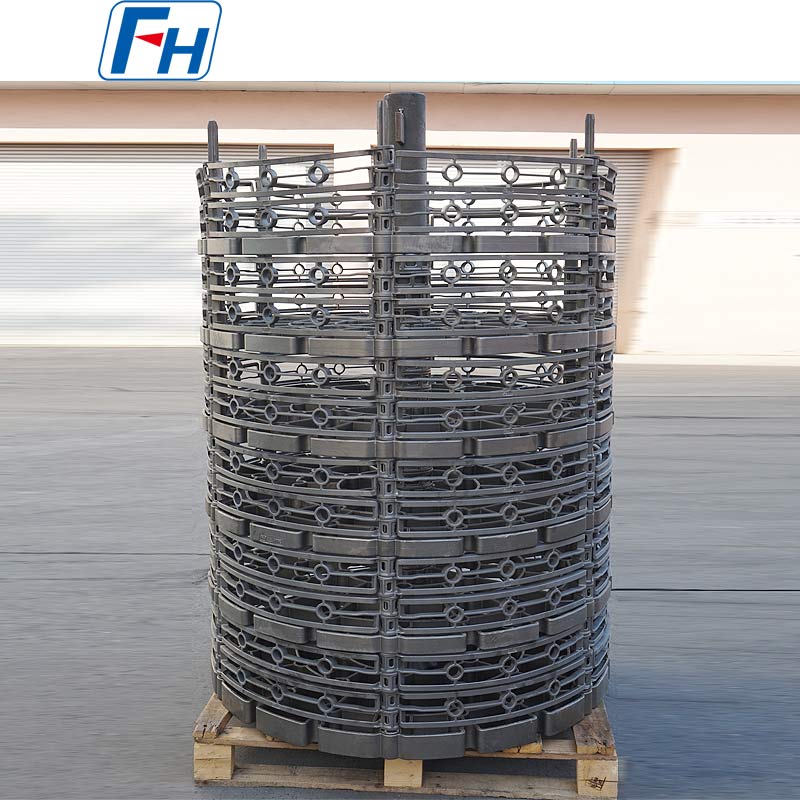
Merk: FH® Certificering: ISO9001, ISO14001 Materiaal: ...
Details bekijken
Opgericht in
Exporterende landen
Maandelijkse productiecapaciteit
Werknemers
Op maat gegoten warmtebehandelingsmanden met roosterbakken en gaas voor een Italiaanse klant Casestudy van klanten | Wuxi Junteng Fanghu Alloy Technology Co., Ltd. (F...
LEES MEEROp maat gemaakt ladebevestigingssysteem voor continue warmtebehandeling van oventoestellen Casestudy van klanten | Technisch ontwerp, goedkeuring van tekeningen, prod...
LEES MEEROp maat gemaakte 2.4879 warmtebehandelingstrays voor vacuümovens voor een Sloveense klant Casestudy van klanten | Structureel herontwerp, productie en levering ...
LEES MEERCasestudy van klanten | Technisch ontwerp, productie, inspectie en levering Klantlocatie: Frankrijk Product: Aangepaste warmtebehandelingsma...
LEES MEERUtilizing a centrifugal casting process, Radiant Tubes for Industrial Furnaces | FH® boast uniform wall thickness (thickness tolerance ≤0.2mm), maintaining structural integrity in operating environments of 800-1200°C and
significantly reducing the risk of cracking caused by thermal stress.
The thin-wall design (down to 4.76mm) significantly increases the heat radiation area, improving heat transfer efficiency, enabling rapid furnace temperature increase and stable temperature maintenance, and reducing energy consumption.
The dense microstructure achieved through centrifugal casting provides the tubes with excellent tensile and compressive strength, enabling them to withstand long-term high-temperature cycles without deformation.
Depending on the furnace type (carburizing furnace, continuous furnace, industrial furnace), wall thickness, material (alloy steel, corrosion-resistant stainless steel), and tube diameter can be flexibly adjusted to meet specific customer
process requirements. Keywords: Radiant Tubes for Industrial Furnaces | FH®, Wuxi Junteng Fanghu Alloy Technology Co., Ltd.
Symptoms: Small cracks or obvious fractures appear on the tube wall, accompanied by abnormally high local temperatures.
Troubleshooting: Use magnetic particle inspection or ultrasonic testing to locate cracks; check for uniform cooling water pressure and eliminate thermal stress caused by local overheating.
Symptoms: Leakage of the medium (such as heating oil or nitrogen) within the tube, resulting in oil stains or gas leaking sounds.
Troubleshooting: First, perform a water pressure test (all our products undergo this test before shipment) to confirm any leaks; then use helium penetrant testing to locate minor leaks.
Symptoms: Prolonged furnace heating time, increased energy consumption, and uneven surface temperature. Troubleshooting: Check the tube wall for scaling caused by corrosion or deposits, which could obstruct the radiating
surface. Use an infrared thermal imager to quickly locate areas of abnormal temperature. Dismantle the tube interior for inspection and cleaning or replacement if necessary.
Step 1: Visually inspect the exterior and note any abnormalities.
Step 2: Perform a water or air pressure test to confirm leaks.
Step 3: Use NDT (magnetic particle or ultrasonic) to locate cracks or defects.
Step 4: Use an infrared thermal imager or temperature sensor to assess the heat distribution and determine if there are any thermal efficiency issues.
Through this systematic troubleshooting, problems can be located and repairs or replacements implemented as quickly as possible, minimizing downtime losses.
Tube diameters range from 50mm to 1000mm.
Suitable for a full range of heat treatment equipment, from small laboratory furnaces to large industrial furnaces.
Available in lengths up to 5.5m.
The long tube design facilitates one-time installation, reduces on-site splicing, and improves overall sealing and reliability.
Wall thickness range: 4.76mm – 30mm (customizable upon request).
Thin-wall products offer higher thermal radiation efficiency, while thicker-wall products provide stronger mechanical support.
High-temperature alloy steels (such as 1.2367 and 1.2369)
Stainless steel (304 and 316L)
Special corrosion-resistant alloys (for the chemical and petroleum industries)
U-shaped, W-shaped, and round tube cross-sections are available.
Surface treatments include sandblasting, polishing, and coating (high-temperature ceramic).
Inspection Services: Pre-shipment hydrostatic testing, magnetic particle inspection, and ultrasonic testing are available to meet diverse customer quality requirements.
Sinds 2006 gericht op ontwerp en productie van gelegeerd stalen onderdelen
 Tel: 0510-83310100
  E-mail: info@alloy-casting.com
  Adres: Room 1105,Building 6, Jiaye Wealth Center,Wuxi, Jiangsu, P.R.China P.C.:214000.
  Privacy